
How Master Key Systems Work in Commercial Buildings
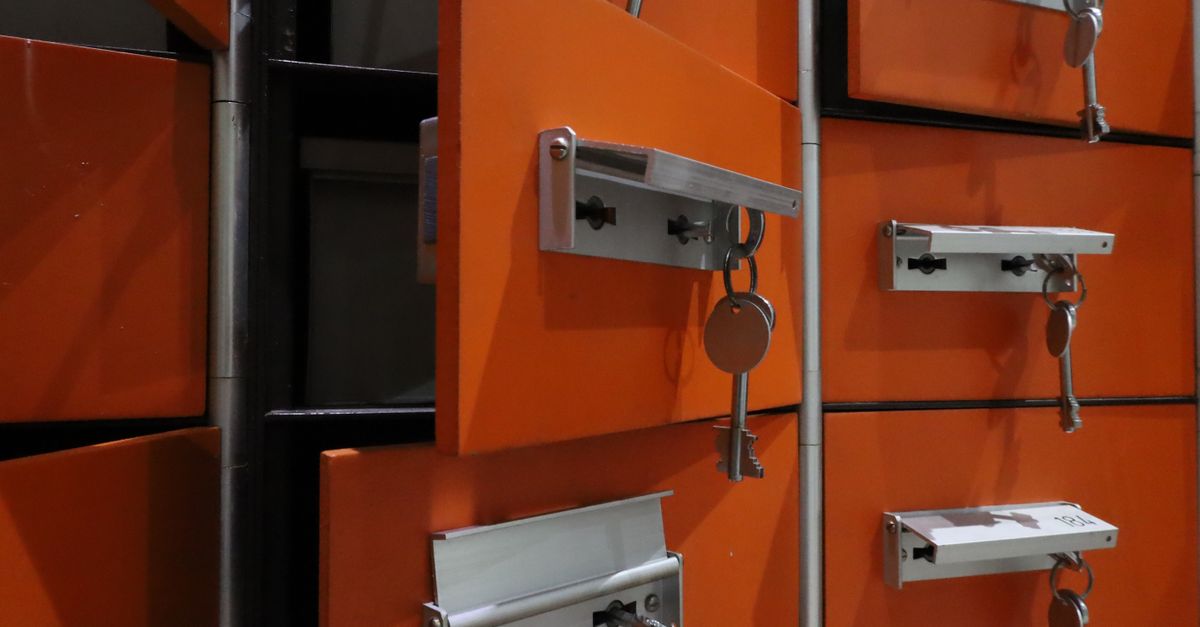
A tiered access hierarchy is built on a principle called key progression. At the base level, individual change keys open one lock each — think of a staff member who can only enter their own office. One level up, a sub-master key opens every lock within a defined zone, such as a floor or department. Above that, a grand master or great-grand master key opens everything in the building or even across an entire campus of buildings. The genius of the design is that adding or rearranging zones does not require rekeying every lock from scratch — only the affected pins inside each cylinder need to be adjusted. Our trained technicians map this hierarchy on paper before a single lock is touched, so the logic is airtight before any cuts are made.
The hardware choice shapes how ambitious the hierarchy can be. A standard door knob lock typically offers limited pin stacking, which caps how many levels the system can support. Mortise lock cylinders, by contrast, are engineered with deeper housings and tighter tolerances, making them the preferred choice for commercial locksmith projects that involve three or more key levels. We stock and install a range of mortise lock bodies compatible with Schlage, and we work with restricted keyways that cannot be duplicated at a hardware store — an important safeguard for any Rochester business that handles sensitive data, pharmaceuticals, or valuable equipment.