What Is a Mortise Lock and Why Rochester Homes Have So Many of Them
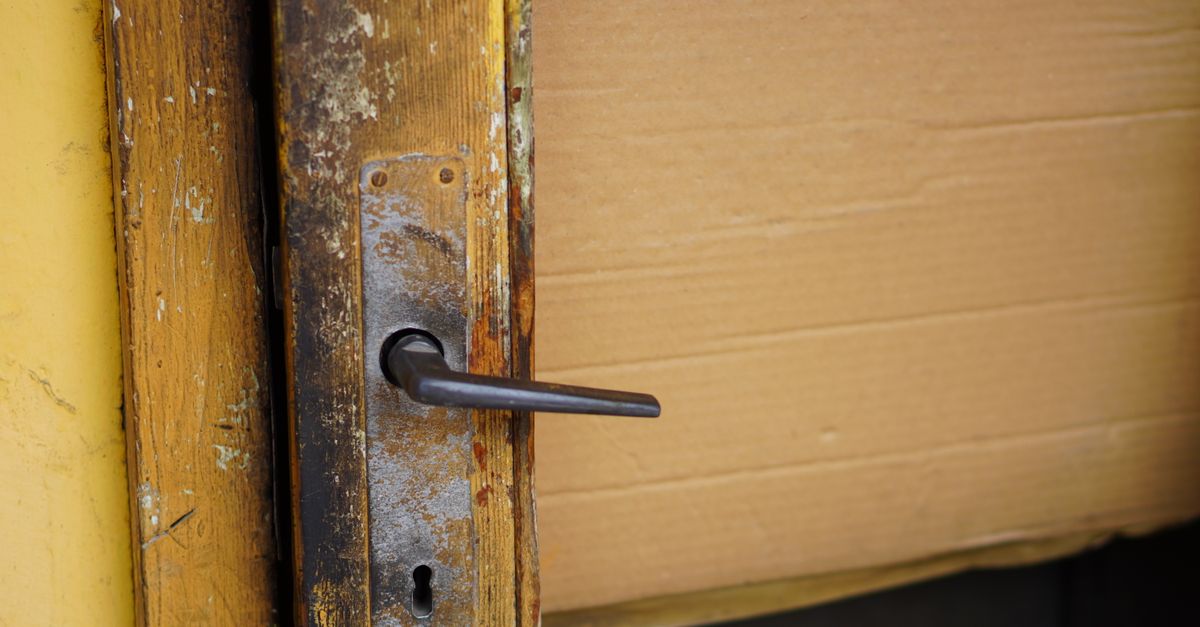
A mortise lock is a complete locking mechanism housed inside a metal case that slides into a precisely routed mortise — a rectangular cavity — cut into the door stave itself. The exposed face of the lock body is a slim faceplate, and the escutcheon on either side of the door carries the cylinder, the thumb turn, and sometimes a knob or lever handle. Because the lock body is recessed inside the door rather than surface-mounted, a mortise lock is inherently more resistant to kick-in and prying than a standard cylindrical lockset. Rochester's builders knew this: from the 1880s through the mid-1950s, virtually every residential and commercial door in the city received a mortise lock set as standard equipment. Brands like Corbin Russwin — whose mortise lock hardware was manufactured nearby in New Berlin, New York — and other legacy makers supplied countless units still functioning in Rochester buildings today.
The challenge with antique mortise hardware is age-related wear rather than design failure. The cast iron or early brass internals develop loose tolerances. The mortise lock cylinder corrodes or the cam that drives the deadbolt flattens from decades of use. Springs fatigue and break. In some cases, a previous owner replaced the original cylinder with a non-matching profile, leaving the mechanism partially functional. Our technicians are experienced with the internal geometry of legacy mortise cases and can identify whether a repair — replacing the spring pack, re-keying the cylinder, or rebuilding the cam assembly — will restore full function, or whether a matching replacement case is the smarter path forward.