
What Home Lock Rekeying Actually Does to Your Mortise Lock and Door Hardware
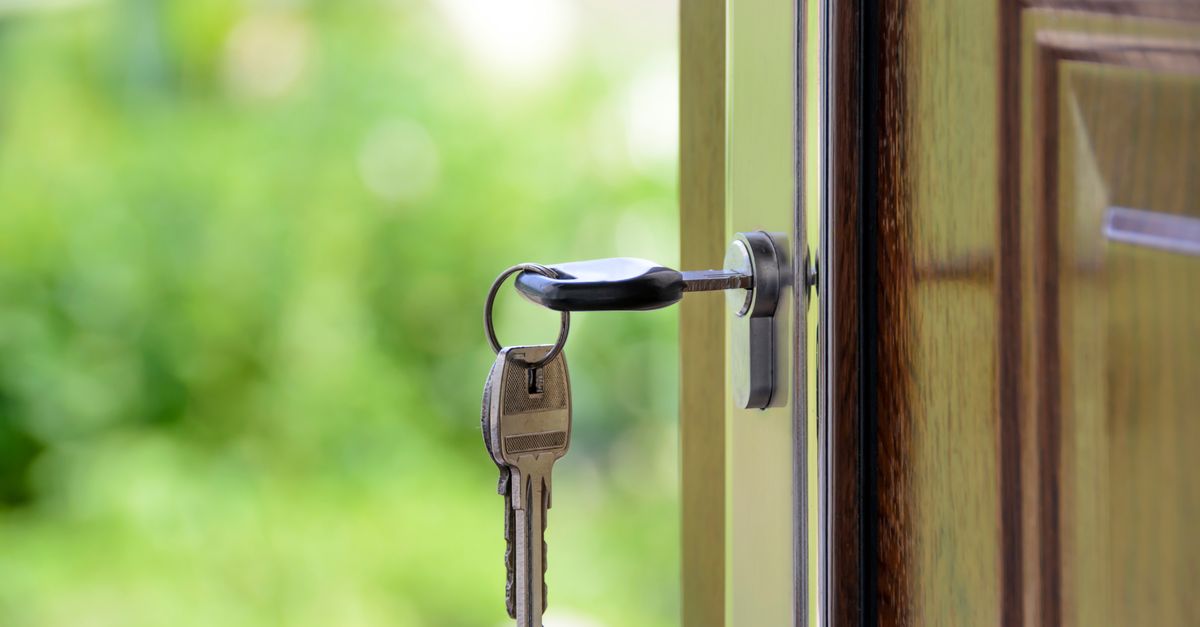
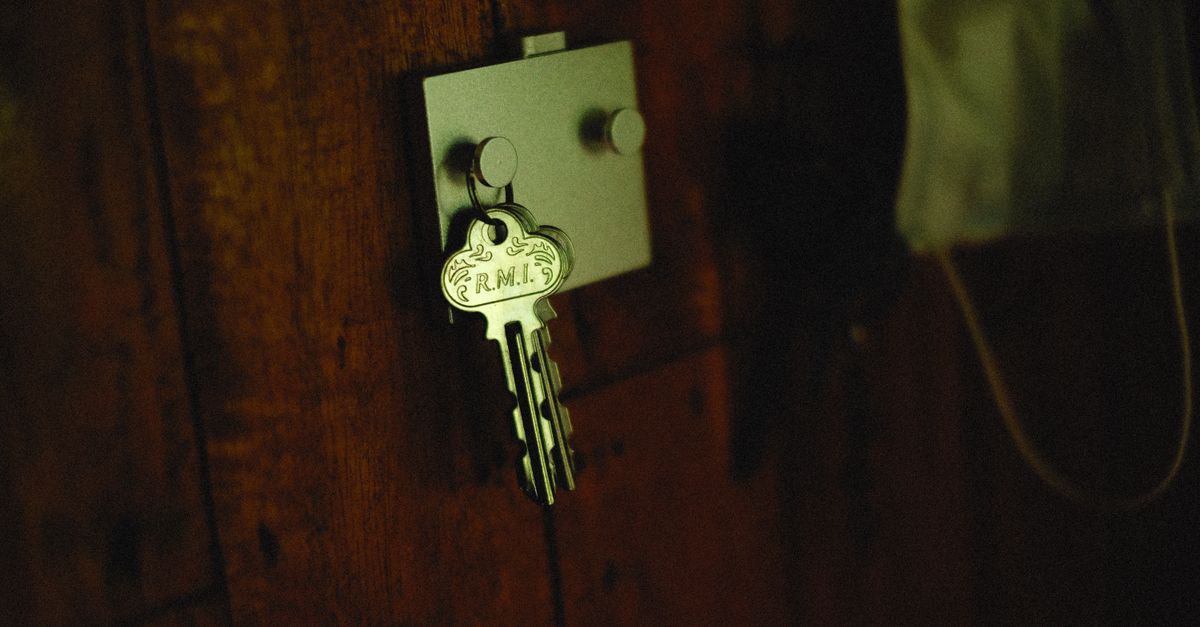
Rekeying works by replacing the small metal pins inside the lock cylinder — the components that determine which key profile will turn the lock. When our technician rekeys a lock, the existing cylinder is disassembled, the old driver and key pins are swapped for a new set matched to a fresh key, and the hardware is reassembled. The result is that every previously cut key becomes useless, while the lock body itself — whether it is a standard door knob lock, a deadbolt, or a more complex mortise lock — stays exactly where it is. A mortise lock, the type commonly found in older Rochester homes and pre-war apartment buildings, is particularly well-suited to rekeying because its robust rectangular body remains intact while only the inner cylinder changes. Our technicians are experienced with the full range of mortise lock configurations, including those on historic homes throughout the Corn Hill and East Avenue neighborhoods where original hardware is worth preserving.
The difference between rekeying and a full home lock change is worth understanding. A home lock change means removing and replacing the entire lock assembly — hardware, cylinder, and all. Rekeying accomplishes the same security goal at a fraction of the disruption when the existing lock is in sound mechanical condition. If your lock is damaged, worn, or simply outdated, a full replacement may be the right call, and our technicians will tell you honestly which option applies to your situation before any work begins.